


-

Add: HeBei ShengShi HongBang Cellulose Technology CO.,LTD.
-

Email
13180486930@163.com -

CONTACT US
+86 13180486930
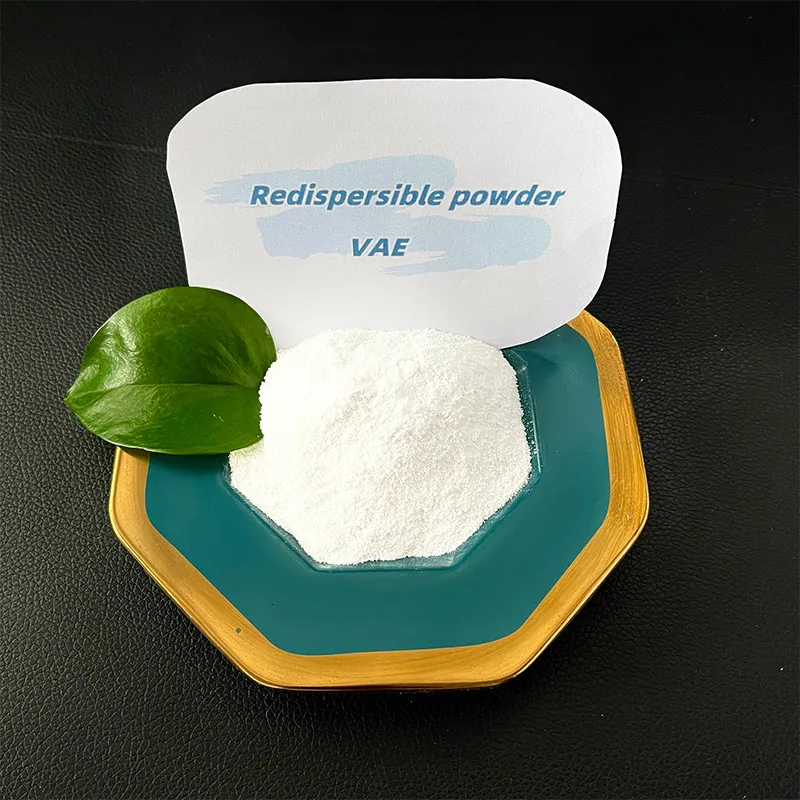
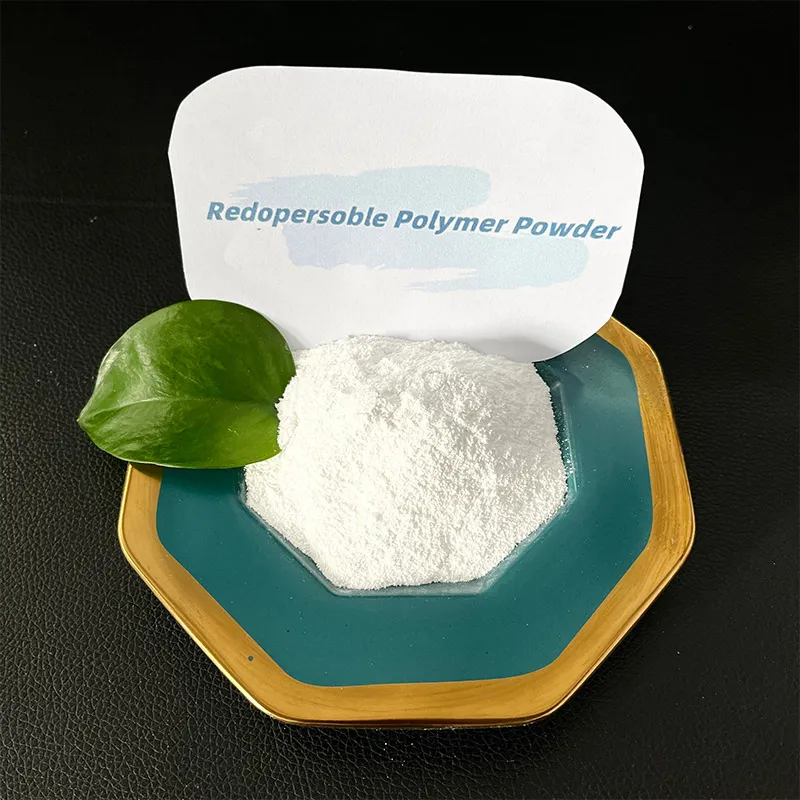
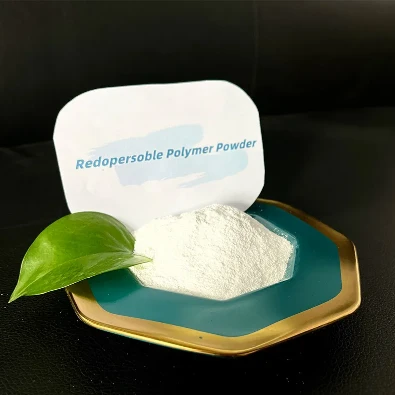
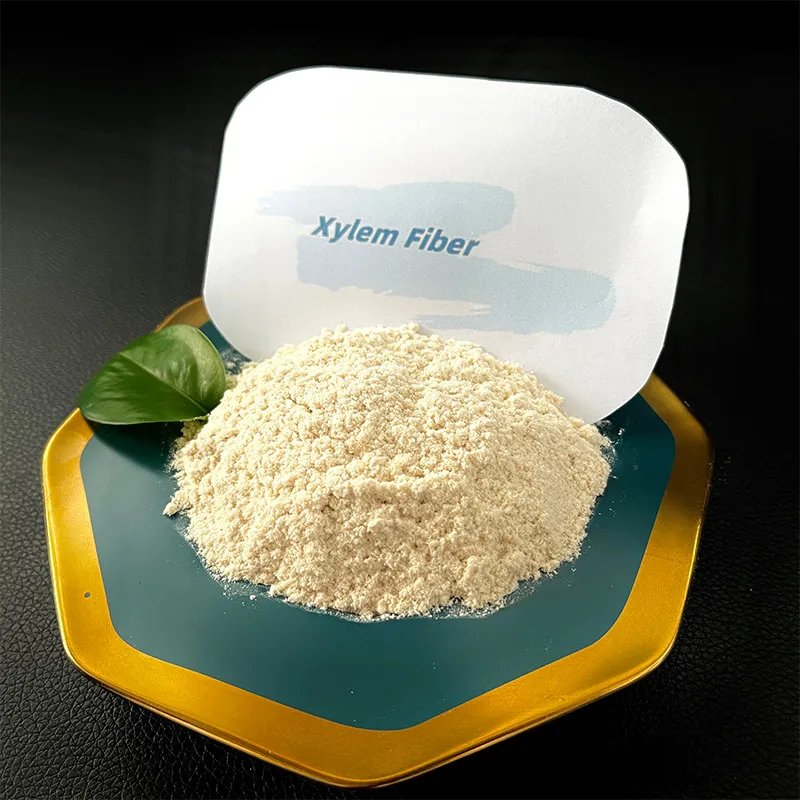


Polymer powder is a key ingredient in many industries, providing critical properties to products in construction, adhesives, coatings, and more. With its wide range of applications, polymer powder enhances the performance, durability, and flexibility of finished products. Available in various forms, polymer powder s can be tailored to meet the specific needs of different applications, making them a versatile choice for manufacturers worldwide. Whether you're working in construction, paints, or textiles, polymer powder offers the ideal solution for improving your products’ functionality. Explore Our Range of Colored Polymer Powder If you need vibrant, long-lasting colors in your products, colored polymer powder is the way to go. Whether you're producing construction materials, decorative coatings, or consumer goods, colored polymer powder offers an efficient way to introduce rich, stable colors into your products. Our premium colored polymer powder is designed to maintain its brightness and consistency, ensuring your products stand out. With a wide selection of shades, you can achieve the exact color you need while maintaining high quality and performance. The Benefits of Redispersible Polymer Powder Redispersible polymer powder is a game-changer in many industrial applications. Unlike traditional resins, redispersible polymer powder can be re-dispersed in water to create a solution, which offers greater convenience and efficiency for various processes. Widely used in adhesives, tile grout, and plaster, redispersible polymer powder enhances bonding strength, flexibility, and durability. This type of polymer powder is particularly valued in the construction and building materials sectors, providing superior performance while reducing transportation and storage costs. Discover the many benefits of using redispersible polymer powder in your formulations today. What Influences Polymer Powder Price? When considering polymer powder price , it’s important to understand the factors that affect the cost. The polymer powder price can vary depending on the type of polymer used, the quantity purchased, and the specific application for which the powder is intended. High-performance polymer powder may be priced higher due to its specialized formulations, while larger orders typically reduce the cost per unit. Additionally, polymer powder price can also depend on the presence of additives, colorants, and whether the polymer powder is customized for particular applications. To ensure you're getting the best value for your needs, always consider both the performance and the cost-effectiveness of the polymer powder price . Why Choose Our Polymer Powders for Your Business? Our polymer powder products are crafted with the highest standards of quality and performance, ensuring that your manufacturing processes run smoothly. From colored polymer powder to redispersible polymer powder , we offer a comprehensive selection that suits a wide variety of industries. Our polymer powder solutions are designed to enhance the quality of your final products, increase production efficiency, and offer cost-effective solutions for your business. With competitive polymer powder price s, we guarantee the best value for your investment. Whether you need a specialized formula or a standard polymer powder , our products are the perfect addition to your production line. Polymer Powders FAQs What is polymer powder? Polymer powder is a fine, dry material made from polymers, typically used in various industrial applications to improve the properties of products like adhesives, coatings, and construction materials. It is valued for its ability to enhance flexibility, strength, and durability in the final product. Polymer powder can come in different types, such as colored polymer powder or redispersible polymer powder , each serving specific functions depending on the industry. What is colored polymer powder used for? Colored polymer powder is primarily used to add vibrant colors to products such as construction materials, coatings, and consumer goods. The color pigments are stable and long-lasting, ensuring that the final product maintains its color over time, even under challenging conditions. It’s ideal for applications where both color and performance are important, making it perfect for industries like construction, automotive, and packaging. What is redispersible polymer powder and how is it used? Redispersible polymer powder is a special type of polymer powder that can be re-dispersed in water, forming a solution that can be easily applied in a variety of industrial processes. It’s commonly used in adhesives, tile grouts, and plaster, where it improves bonding strength, flexibility, and water resistance. The ability to re-dispense the polymer powder in water makes it a more convenient and cost-effective solution for many manufacturing processes. How does the polymer powder price vary? The polymer powder price depends on several factors, including the type of polymer used, the quantity purchased, and whether any special additives or colors are involved. Specialty redispersible polymer powder sand colored polymer powder s often come at a higher price due to their advanced formulations. Additionally, larger volume purchases can reduce the polymer powder price per unit, offering better cost-effectiveness for bulk orders. Why should I choose your polymer powders? Our polymer powder sare craftedto meet the highest standards of quality, ensuring that your products perform at their best. We offer a wide selection of colored polymer powder s and redispersible polymer powder s, all designed to enhance the durability, flexibility, and performance of your products. Our polymer powder price is competitive, offering you the best value for your investment. Whether you’re in construction, coatings, or any other industry, we have the perfect polymer powder solution for you.
- 40000tons

Production
- 20+years

Experience
- 5000+㎡

Acreage

-
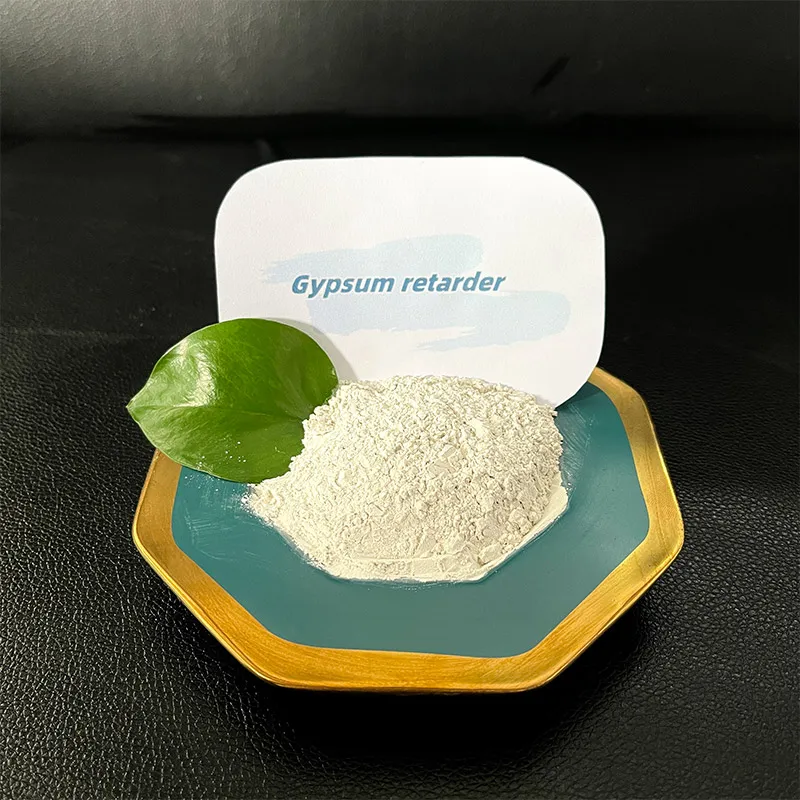
Retarders in gypsum are pivotal components that serve to adjust the setting time of gypsum-based products, providing ample workability and enhanced performance in various applications. Predominantly used in the construction industry, these retarders are instrumental in offering precise control over the hydration process of gypsum, thereby optimizing both the usability and the efficacy of the final product. One of the quintessential experiences when working with gypsum is managing its setting time. This is where retarders become invaluable . Without them, gypsum plaster would set too quickly, which can be problematic during applications requiring a more extended manipulation period. My first-hand experience in utilizing gypsum retarders has shown remarkable improvements in application efficiency, particularly in large-scale projects where precision is paramount. By incorporating retarders, the workability window is expanded, allowing for meticulous application without the stress of accelerated setting. In terms of expertise, understanding the chemical interaction between gypsum and retarders is critical. Retarders function by interfering with the crystallization process of calcium sulfate dihydrate, slowing down the conversion from hemihydrate to dihydrate. This expertise emerges as a critical factor in customizing gypsum products for specific needs. For instance, in decorative plasterwork, a more prolonged setting time is desirable to allow artisans enough time to create intricate designs. Consequently, selecting an appropriate retarder enhances the artisanal quality and reduces waste produced by premature setting. As an authoritative voice in the industry, my journalistic interactions with leading manufacturers and researchers underscore the importance of selecting high-quality retarders. These interviews have revealed that the most effective retarders are those derived from natural sources, such as citric acid or tartaric acid. These compounds not only effectively prolong the setting time but are also environmentally benign, promoting sustainable building practices. Furthermore, research publications consistently support the use of these natural retarders over synthetic alternatives, highlighting their superior performance and lower environmental impact. retarder in gypsum Trustworthiness in product description cannot be overstated, especially for those making decisions in procurement and application. Reliable gypsum retarders are backed by rigorous testing and certifications ensuring their effectiveness and safety. A key trust factor emerges from using products compliant with international standards, such as ISO regulations, which certify the performance consistency and quality assurance of the retarders. Trust is further reinforced by comprehensive usage guidelines provided by manufacturers, outlining the proportion of retarder to be used based on the gypsum's characteristics and environmental conditions, guaranteeing optimal results. A practical product application scenario involves using gypsum-based joint compounds in drywall installation. In my extensive use cases, incorporating retarders has proven to make a significant difference. The retarder ensures that the joint compound remains workable, allowing for a seamless application across extensive surfaces without the concern of irregular curing or cracking. This not only results in a professionally finished surface but also maintains structural integrity and aesthetic appeal over time. Moreover, as emerging technologies continue to integrate with construction methodologies, smart retarders are being developed to adapt to various environmental conditions. These advanced retarders adjust their performance based on temperature and humidity, providing a more predictable setting time regardless of external factors. This technological innovation propels gypsum products into a new era of reliability and functionality. In conclusion, retarders in gypsum products serve as indispensable tools in the modern construction landscape. Their ability to control setting times not only enhances application efficiency but also elevates the quality of the final product. With vast applications ranging from general construction to high-end decorative finishes, leveraging the experience, expertise, authority, and trustworthiness of properly selected retarders can lead to groundbreaking results and sustainable practices. As we embrace advancements within the industry, these additives will undoubtedly continue to play a critical role in shaping the future of construction materials, ensuring both performance excellence and environmental responsibility.
-

Tylose HPMC, commonly known as Hydroxypropyl Methylcellulose, is a multifunctional ingredient that continues to gain traction globally, particularly in the construction, pharmaceutical, and food industries. Its unique properties make it essential for enhancing product performance across various applications, from thickening agents in food products to adhesive functionalities in construction materials. Understanding its versatility not only highlights the expertise behind its formulation but also instills trust in industries relying on its advantages. Within the construction sector, Tylose HPMC is celebrated for its role in improving the workability and performance of construction materials. When integrated into cement-based products, it acts as a water retention agent, significantly enhancing the open time and working conditions of tile adhesives, plasters, and mortars. This is pivotal for construction professionals seeking products that offer consistent quality and ease of application. In addition, Tylose HPMC contributes to improved adhesion and sag resistance, ensuring stability and longevity of the applied products, a factor critically acclaimed by construction experts who prioritize durability. In pharmaceutical formulations, Tylose HPMC is revered for its efficacy and safety. It serves as a binder in tablet manufacturing, providing mechanical strength and controlled release properties essential for high-quality pharmaceutical products. This utility is validated by numerous studies showcasing its biocompatibility and non-toxicity, which are paramount for applications where product safety is of utmost importance. The molecule's ability to form a protective colloid also lends to its use in ophthalmic solutions, where it helps in retaining moisture and providing soothing relief, assuring medical professionals of its adaptability and reliability in sensitive applications. The food industry leverages Tylose HPMC for its thickening and stabilizing properties . Its use in food products like sauces and dressings results in desirable textures and consistency without altering the taste. Recognized for being non-digestible and therefore not contributing to calorie intake, it offers an appealing solution for developing low-calorie and dietary-specific products. Food technologists value this capability, as it aligns with the increasing consumer demand for health-oriented products without compromising on sensory attributes. tylose hpmc Tylose HPMC’s environmental benefits cannot be overlooked, particularly its role in promoting sustainability. Derived from cellulose, a plant-based raw material, Tylose HPMC is biodegradable, exerting minimal impact on the environment. Its ability to replace synthetic alternatives in various applications endorses its use in industries aiming for greener and more sustainable practices. This adaptability not only champions eco-friendliness but also reaffirms the trust of environmentally conscious manufacturers and consumers. The credibility of Tylose HPMC is further solidified by its inclusion in various industry standards and certifications, which authenticate its quality and efficacy across applications. Users and developers around the world rely on these endorsements to ensure they are incorporating a component that adheres to the top-tier standards of performance. This authoritative backing is crucial for professionals who demand consistent results, pushing Tylose HPMC to become a staple choice globally. In essence, Tylose HPMC's unique properties underscore its status as an indispensable material across multiple industries, reinforcing its standing as a product of scientific expertise and trustworthiness. Its ability to address critical functionalities, from enhancing construction material performance to contributing to advances in pharmaceutical and food technology, exemplifies the depth of its application spectrum. As industries continue to innovate and enhance their offerings, the role of Tylose HPMC becomes increasingly significant, bridging the gap between advanced material solutions and sustainable practices.
advantages
-

200000 Viscosities
Excellent product
We can produce pure products up to 200,000 viscosities
-

40000 tons
High yield
We don’t stop production all year round, and the annual output can reach 40,000 tons
-

24 hours
Quality service
We provide 24-hours online reception service, welcome to consult at any time
———— Inquiry Form
Schedule A services
-
 starch_ether_hps_for_wall_putty_powder
Oct . 25, 2025
Hydroxypropyl Methylcellulose (HPMC) has been transforming the construction industry with its versat -
 china_manufacturer
Oct . 25, 2025
Unlocking the Potential of HPMC A Comprehensive Guide to Finding Quality HPMC for Sale Exploring the -
 chemical_structure_of_hpmc
Oct . 25, 2025
Methocel F50 is a trademarked brand of methylcellulose ether, commonly used as a thickener, emulsifi


